How does a storm damage roof claim work?
A storm damage roof claim works through stages: you report the damage, document it, get a professional inspection, the adjuster assesses it, the insurer decides coverage and provides a settlement, and you complete the repairs, with any recoverable depreciation handled and the claim closed. For a Wood Wind homeowner, these stages make up the process. So it runs from reporting and inspection through the adjuster, settlement, and repairs. Understanding this helps you navigate it, since because the process moves from establishing the damage to determining coverage to completing repairs, knowing the stages and the roles of the homeowner, insurer, adjuster, and roofer helps you proceed, so understanding the sequence prepares you for what to expect, with the specifics depending on your insurer for your home.
When does the process start?
The process starts when you report the storm damage to your insurer, after ensuring safety and taking reasonable steps to limit further damage. For a Wood Wind homeowner, reporting reasonably soon begins the process. So it starts when you report the damage to your insurer. Understanding this helps you begin, since because the insurer handles the claim and prompt notification is generally advisable, reporting the damage, after the initial safety and mitigation steps, sets the process in motion, so contacting your insurer to notify them of the storm damage is the opening stage, with the documentation, inspection, and assessment following, and the specifics of how to report depending on your insurer for your home, so report it reasonably soon to begin.
When is the claim closed?
The claim is closed once the covered repairs are completed, any recoverable depreciation is handled, and the payout is finalized, concluding the process. For a Wood Wind homeowner, closing concludes the process. So it closes after the repairs and payout, including any recoverable depreciation, are finalized. Understanding this helps you see the end, since because the process concludes when the covered work is done and the payout, including any held depreciation that is recoverable, is settled, the claim is then closed, so completing the repairs, handling any recoverable depreciation, and finalizing the payout brings the claim to a close, with good records kept throughout supporting a smooth conclusion for your home, so keep your documentation through closing.
When do repairs happen in the process?
Permanent repairs happen after the claim is settled, with you paying your deductible and coordinating with your insurer, though temporary measures to protect the home come earlier, right after the damage. For a Wood Wind homeowner, permanent repairs follow the settlement. So permanent repairs come after the settlement; temporary measures come earlier. Understanding this helps you sequence things, since because the permanent repair restores the covered damage based on the settlement, it follows the coverage and settlement stages, while temporary protection comes right after the storm, so understanding that temporary measures are early and permanent repairs follow the settlement helps you see when repairs happen, with a reputable roofer completing the covered work for your home, so plan the permanent repair around the settlement.
What happens after the adjuster's visit?
After the adjuster's visit, the insurer makes a coverage decision based on the assessment and provides a settlement reflecting what is covered, after which you complete the repairs. For a Wood Wind homeowner, the coverage decision and settlement follow the visit. So after the visit, the insurer decides coverage, issues a settlement, then repairs follow. Understanding this helps you know what to expect, since because the assessment informs the coverage decision and settlement, the adjuster's visit leads to the insurer determining coverage and providing a settlement reflecting the covered scope, then the repairs once settled, so the stages after the visit are the coverage decision, the settlement, and the repairs, with the timing depending on your insurer for your home, so be ready to review the settlement.
How do I navigate the process?
To navigate the process, take it stage by stage, report promptly, document thoroughly, get a professional inspection, prepare for the adjuster, review the settlement, complete the repairs, and keep records throughout. For a Wood Wind homeowner, this approach keeps the claim manageable. Wood Wind Roofing provides inspections and repairs for Wood Wind homeowners and can support the process. So take it stage by stage with good documentation and a professional inspection. Understanding how to navigate it helps you proceed, since because the process is a sequence of clear stages, handling each in turn, with documentation and a professional inspection supporting you and a reputable roofer handling the inspection and repairs, makes it manageable, so navigating the process stage by stage, well prepared, helps you handle a storm damage claim for your home. Call (765) 978-3528.
How is the settlement determined?
The settlement is determined by the insurer based on the assessment of the covered damage, generally reflecting the covered cost minus your deductible and any depreciation, with the specifics set by your policy. For a Wood Wind homeowner, the assessment and your policy determine the settlement. So it reflects the covered scope minus your deductible and any depreciation. Understanding this helps you anticipate it, since because the payout reflects the covered scope the adjuster determines and your policy terms, the settlement is built from the covered cost, adjusted for your deductible and, under actual cash value, depreciation, so the assessment and your policy determine the settlement, which is why thorough documentation supporting an accurate scope matters, so reviewing the settlement against the documented damage is worthwhile for your home.
What if the process stalls?
If the process stalls, following up with your insurer for a status update and ensuring they have complete documentation can help it move forward, since timelines vary. For a Wood Wind homeowner, staying in touch with your insurer helps. So follow up and ensure they have complete documentation. Understanding this helps you respond, since because the process depends on the insurer, the damage, and scheduling, delays can occur, so following up for updates, confirming the insurer has everything they need, and providing any additional requested documentation helps the process proceed, so rather than waiting without contact, staying engaged with your insurer and keeping documentation complete supports the claim moving through its stages, with the timing depending on your insurer for your home, so stay proactive.
What is the roofer's role?
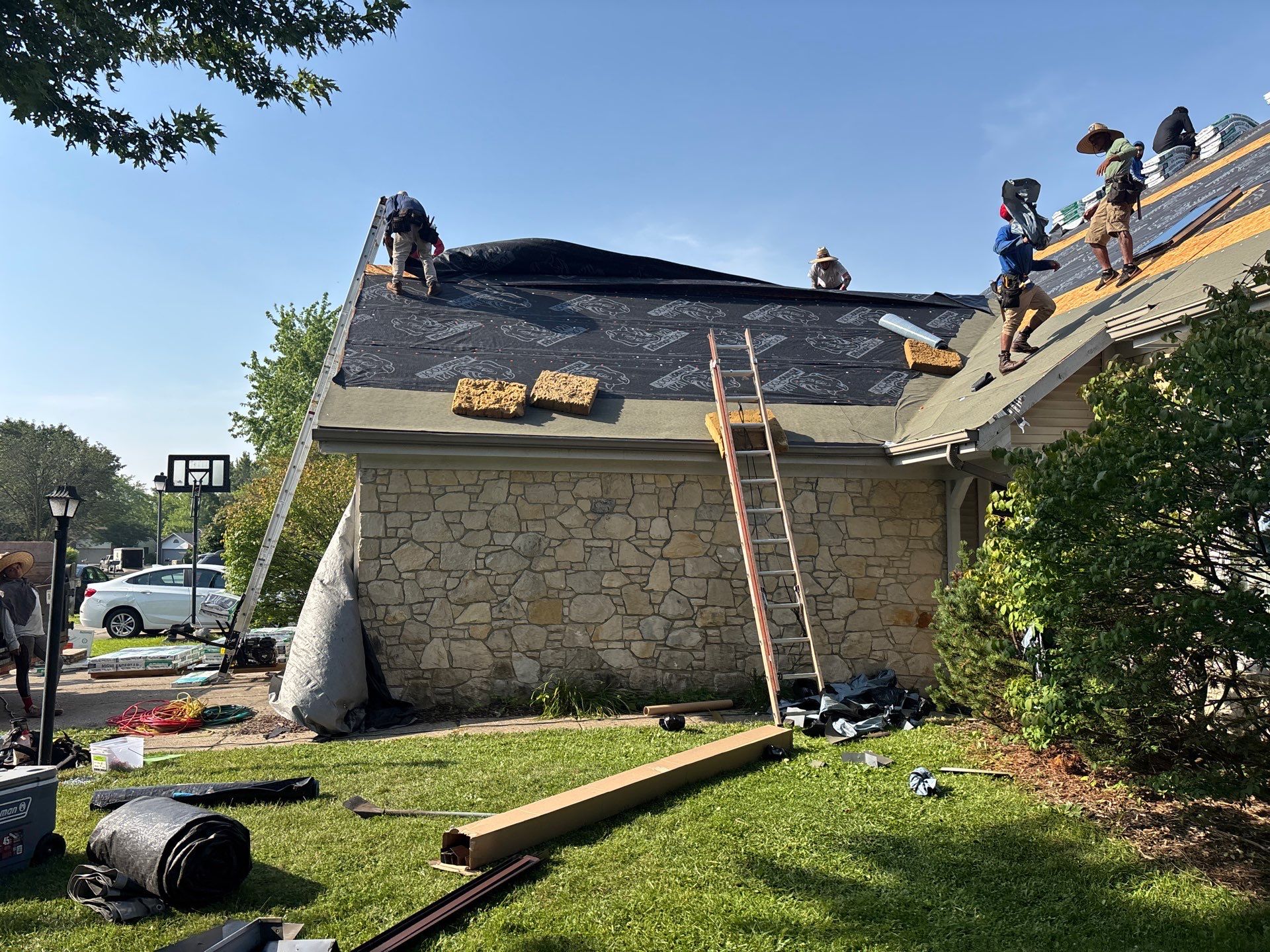
The roofer's role is to inspect and document the storm damage, provide an estimate that supports the claim, and complete the covered repairs, supporting the homeowner through the process. For a Wood Wind homeowner, the roofer provides documentation and does the work. So the roofer inspects, documents, estimates, and completes the repairs. Understanding the roofer's role helps you use it, since because a professional inspection and estimate support the claim and quality repairs restore the roof, the roofer documents the damage to support the assessment and completes the covered work, so a reputable roofer supports both the claim, through documentation, and the resolution, through repairs, making them a valuable part of the process, with Wood Wind Roofing able to fill this role for your home. Wood Wind Roofing serves Wood Wind homeowners.
What is the homeowner's role?
The homeowner's role is to ensure safety and limit damage, report the claim, document the damage, arrange a professional inspection, prepare for the adjuster, review the settlement, and complete the repairs, keeping records throughout. For a Wood Wind homeowner, this is your part in the process. So you report, document, arrange the inspection and repairs, and review the settlement. Understanding your role helps you navigate it, since because the process is a collaboration, your part is to initiate the claim, provide documentation, prepare for the adjuster, and follow through on the repairs, with good records supporting each stage, so knowing your role helps you fulfill it and coordinate with the insurer, adjuster, and roofer through the process for your home, so stay engaged at each stage.
How long does the claim process take?
The time the claim process takes varies by insurer, the extent of damage, the adjuster's schedule, and the repair scope, so there is no fixed duration, though following up and complete documentation help. For a Wood Wind homeowner, the timeline depends on these factors. So the timeline varies; following up and complete documentation help. Understanding this helps you set expectations, since because the duration depends on the insurer's process, the damage, and scheduling, there is no single timeframe, so being prepared for the stages to take some time, following up with your insurer, and ensuring complete documentation helps the process move forward, with the timing depending on your insurer for your home, so stay engaged and organized through the stages.
What is the adjuster's role in the process?
The adjuster, assigned by the insurer, assesses the storm damage and evaluates the claim against your policy to determine the covered scope, which shapes the settlement. For a Wood Wind homeowner, the adjuster's assessment is a key stage. So the adjuster assesses the damage and determines the covered scope. Understanding this helps you prepare, since because the adjuster determines what the claim covers, having your documentation and a professional assessment available helps ensure the damage is accurately and fairly assessed, so the adjuster's visit, informed by good documentation, is where the insurer evaluates the claim, making it a pivotal stage, so being prepared for it with documentation supports an accurate evaluation in the process for your home.