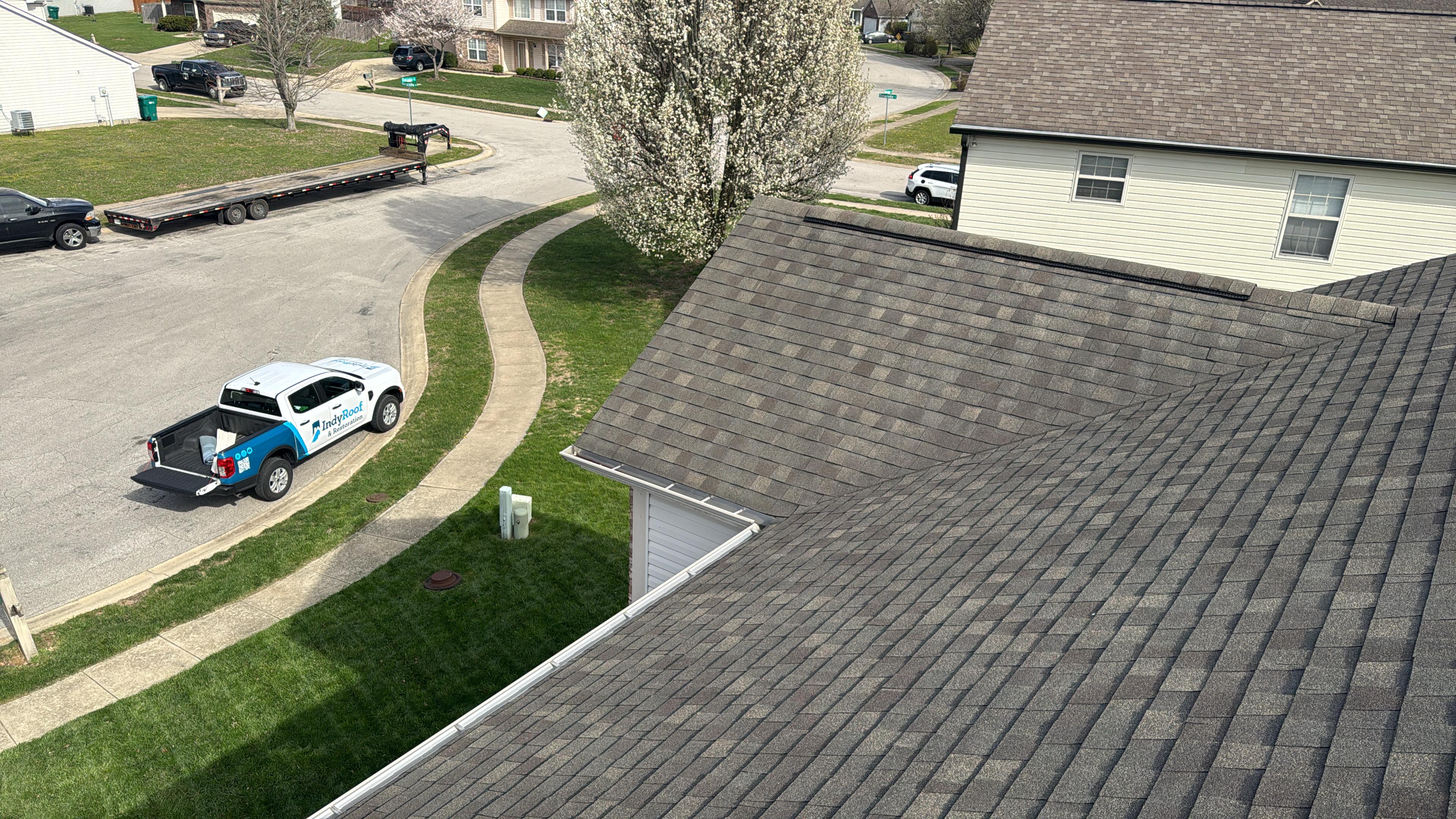
A Complete Guide to Roof Pricing Per Square
Per square pricing is how roofing is quoted, and understanding it gives a Wood Wind homeowner real insight into a roof's cost. This guide explains what a square is, how roofers measure and count squares, how pitch and waste affect the number, what the per square price covers, and how to use the model to compare quotes. The goal is to make a roofing quote transparent rather than mysterious, so you can read it, evaluate it, and know that the figures rest on a measured count of your actual roof rather than a generic average.
Typical Installed Cost Per Square
The table below gives typical installed per square ranges by material, meaning material plus labor. Treat these as general ranges that vary by region, roof complexity, pitch, and contractor, not as quotes. They show clearly how much the material drives the per square cost, with asphalt at the affordable end and tile and slate at the top. Multiplying a per square figure by your square count gives a rough sense of the roofing portion before fixed costs like tear off and permits.
| Material | Typical Installed Cost Per Square |
|---|---|
| Asphalt shingles | Roughly $400 to $700 or more |
| Architectural asphalt | Often toward the higher asphalt range |
| Metal roofing | Roughly $1,000 to $1,600 or more |
| Wood shake | Varies, generally above asphalt |
| Tile (clay or concrete) | Roughly $1,500 to $3,000 or more |
| Natural slate | Among the highest per square |
Fixed Costs and Add-Ons
Not all costs scale with squares. The permit, the dumpster and disposal, and mobilization are largely fixed, and decking repair is contingent on what the crew finds, so these are often separate line items rather than folded into the per square rate. They do not multiply with the square count the way material and labor do. For a Wood Wind homeowner, recognizing that a quote combines per square costs with these fixed and contingent items explains why two roofs with the same square count can differ in total, and why an itemized quote is clearer than a single lump sum.
The Pitch Factor
Pitch increases the roof's area beyond its footprint, because a sloped surface is longer than the horizontal distance it covers. Roofers apply a multiplier based on the steepness to convert footprint into true roof area, with steep roofs adding substantially and low slope roofs adding little. This is why two homes with the same footprint can have different square counts if their roofs differ in pitch. For a Wood Wind homeowner, the pitch factor explains why a steep roof has more squares and costs more, and why the square count cannot be guessed accurately from the home's dimensions alone.
How Squares Are Measured
To find the square count, a roofer measures the actual roof surface, plane by plane, sums the areas, and divides by a hundred. The measurement is of the roof itself, not the home's footprint, so overhangs and roof shape matter. It can be done physically on the roof, from the ground, or with satellite and aerial measurement tools that calculate area precisely. The result is the base count before pitch and waste adjustments. For a Wood Wind homeowner, the key point is that an accurate square count comes from measuring the real roof, which is why it requires more than the home's listed square footage.
Why Per-Square Prices Vary
Per square prices differ between quotes for legitimate reasons: material grade, local labor rates, the roof's pitch and complexity, accessibility, and the contractor's overhead, experience, and warranty. A higher figure may reflect better material or more thorough work, while a much lower one may use cheaper material or cut corners. For a Wood Wind homeowner, this variation is why a per square number from one source rarely matches another, and why comparing them meaningfully requires knowing the material, scope, and roof behind each figure rather than judging on the number in isolation.
Using Per-Square to Compare
Per square pricing is a strong tool for comparing bids. Dividing each quote's total by its square count yields an effective per square cost that puts bids on a common scale, revealing whether one is unusually high or low. The caveat is to compare like with like, confirming each covers the same material grade and scope, since a low per square figure that omits tear off or uses lesser material is not truly cheaper. For a Wood Wind homeowner, the per square lens, applied carefully, cuts through differing totals to show the real relative value of competing quotes.
What the Per-Square Price Covers
The per square price bundles the material for one square plus the labor to install it, adjusted for the roof's pitch and complexity, since steeper and more intricate roofs take more time per square. Overhead, experience, and the warranty also factor in. This is why it exceeds the raw material price and varies between materials and contractors. For a Wood Wind homeowner, understanding that the per square figure is a composite of material, labor, and the roof's characteristics clarifies why it is what it is, and why an installed per square cost is the meaningful number for budgeting and comparison.
What a Square Is
The foundation of the model is the square, a hundred square feet of roof area, a ten by ten foot space. The trade uses it because roofs are large and counting in squares is simpler than in single square feet, and materials are packaged in quantities tied to the square. A typical home has twenty to thirty squares or more depending on size and roof shape. For a Wood Wind homeowner, the square is the unit roofing is measured, ordered, and priced in, so it is the starting point for understanding any quote, and knowing its definition unlocks most of the math.
The Waste Factor
Installation wastes some material, so roofers add a waste factor, typically around ten to fifteen percent, to the square count when ordering and quoting. This covers shingles cut to fit at edges, valleys, and angles, plus the starter course and ridge caps. A complex roof with many cuts wastes more and carries a higher factor, while a simple roof wastes less. The waste factor ensures enough material to finish properly. For a Wood Wind homeowner, it explains why the quoted squares of material exceed the bare measured area, and it is a normal, necessary part of an accurate estimate rather than padding.
Getting Your Real Number
The per square model explains the math, but your actual figure comes from a measured estimate. A contractor measures your roof precisely, accounts for pitch and waste, and applies a per square rate based on your material and their labor, producing an accurate per square cost and total for your specific roof. Generic online figures cannot reflect your roof and can be off in either direction. For a Wood Wind homeowner, a measured estimate is the step that turns the per square model into your real number, and most contractors provide it without obligation, so it costs nothing to find out. The ranges and math in this guide are for understanding, while the measured figure is what you actually budget around.